ISPS zone access slowing you down?
Compliant placement for a marine terminal storage container with badging/escorts handled—dockside-ready units and clear steps for restricted areas across New Brunswick and Atlantic Canada.
Who this page is for
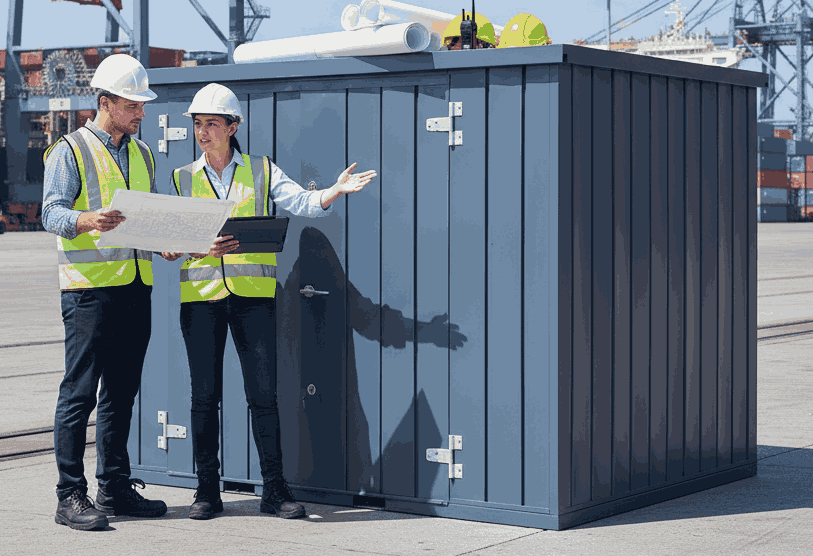
Operations leaders at Port Saint John, stevedores, marine logistics teams, and fisheries/aquaculture operators who need secure, weather-ready storage right where work happens. If you juggle berth windows, rigging checks, or seasonal gear, this guide shows how to stage a marine terminal storage container dockside and use our Saint John yard for overflow without slowing cargo or crew.
The Alloy approach: two clear paths that fit port operations
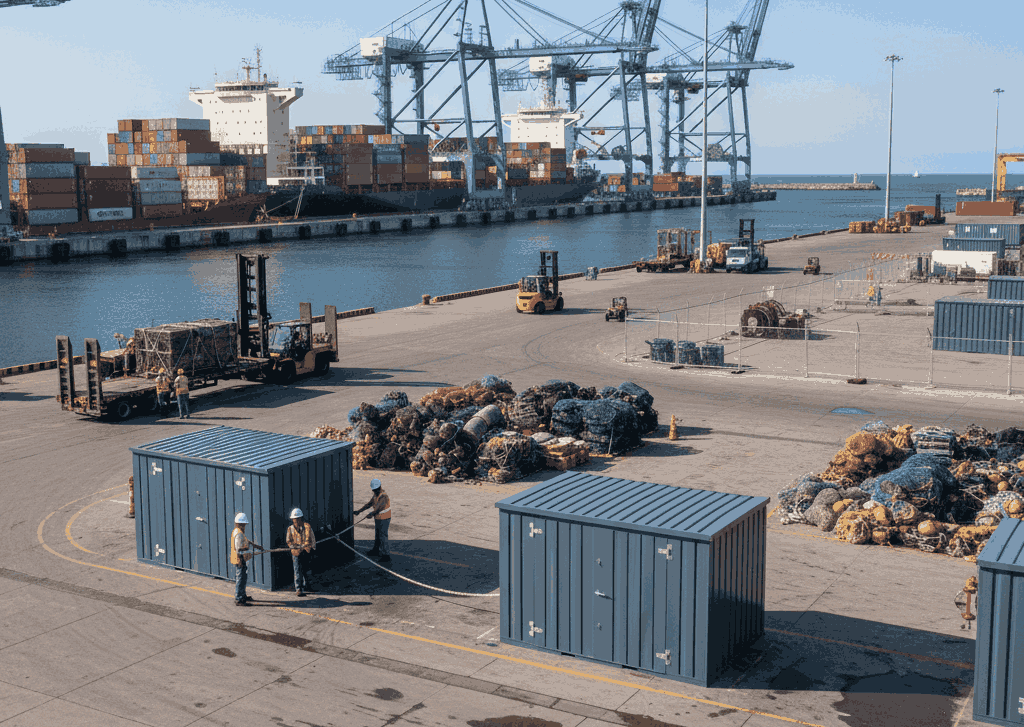
Compact, clean steel units for tight terminal footprints and wharf lots. Think sling kits, dunnage, lashing gear, MRO spares, and event barricades. Doors seal tight; vents manage airflow; reinforced hasps take disc locks. These make a reliable tool/gear crib you can roll into seasonal programs.
When you need capacity away from the quay, hold stock at 151 Alloy Drive, Saint John. Ideal for off-season nets and boards, bulk rigging, and low-turn MRO parts. Quick access to major routes makes pickups simple between berth calls.
Why it works: terminals and wharves ebb and flow. Keep a dockside unit for daily gear and stage bulk items at the yard, then call off what you need when vessels schedule in.
What teams actually store (real examples)
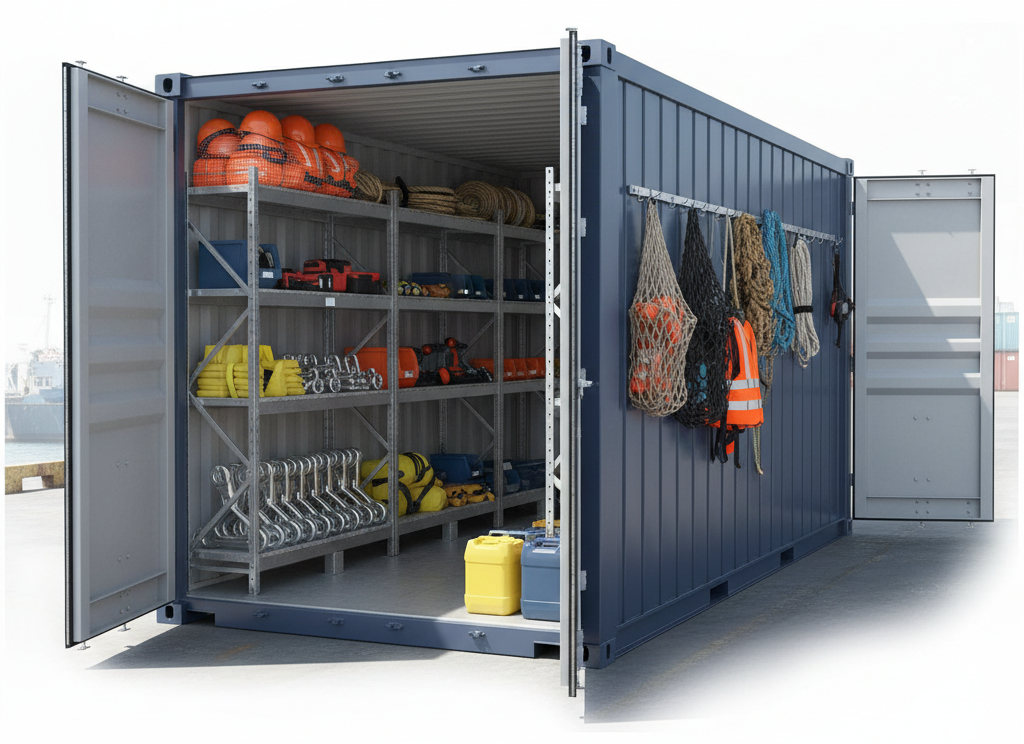
- Terminal operations: spreader bars, chains, lashings, twist-locks, corner castings, stencils, PPE, spill kits, signage.
- Marine logistics / 3PL: loose gear, packaging materials, dunnage, pallet jacks, parts awaiting inspection.
- Fisheries & aquaculture: nets, ropes, buoys, feed handling components, net-mending gear, off-season service kits.
- Marinas and harbour events: crowd control, fencing, life-safety gear, electrical pedestals and cable trays.
Across all, teams want compliance inside restricted areas, corrosion awareness, condensation control, and time-certain delivery around vessel windows.
Dockside realities we solve (without the runaround)
ISPS/MTSR rules mean no one drops a container at the quay without process. We coordinate badging/escort requirements, align placement with your port security plan, and provide siting diagrams (offsets, line-of-sight, emergency egress). Whether it’s a marine terminal storage container beside loadout or a wharf-lot unit near the bait shed, you’ll get a plan that clears security quickly.
Result: fewer calls between ops, security, and vendors—and a faster, cleaner placement.
Bay of Fundy air is tough on metals and electronics. Our steel units arrive weather-tight, and we’ll advise orientation and pad choices that limit spray exposure. For high-risk gear, we can suggest moisture control kits and elevation practices that extend service life for slings, shackles, and small spares.
Result: gear lasts longer; inspections pass without scrambling for replacements.
Dockside temperature swings can create condensation inside any steel box. Our units include airflow vents, and we recommend shelving to raise items off floors, desiccant for sensitive goods, and quick air-out routines after heavy weather.
Result: electronics and rigging stay dry; labels remain legible; fewer surprise write-offs.
Ships won’t wait. We plan time-certain drops and swap windows so your crews can stage and clear gear between calls. When schedules compress, you can hold overflow at our Saint John yard and request same-week call-offs as ETAs firm up.
Result: no crane/crew idle while storage catches up.
Container options & specs (quick reference)
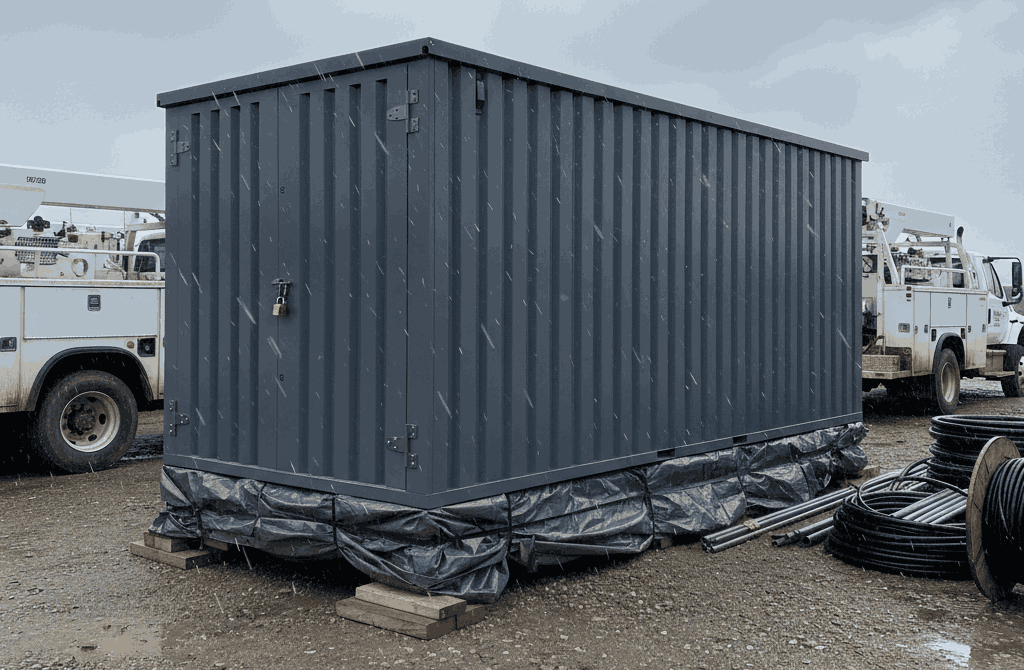
- Build: steel construction, weather-tight doors, airflow vents.
- Security: reinforced hasp (disc-lock ready); optional lock box.
- Interior: clean panels, tie-down points; shelving kits for elevation and fast counts.
- Placement: level pad; rubber or composite ground protection for asphalt/pavers.
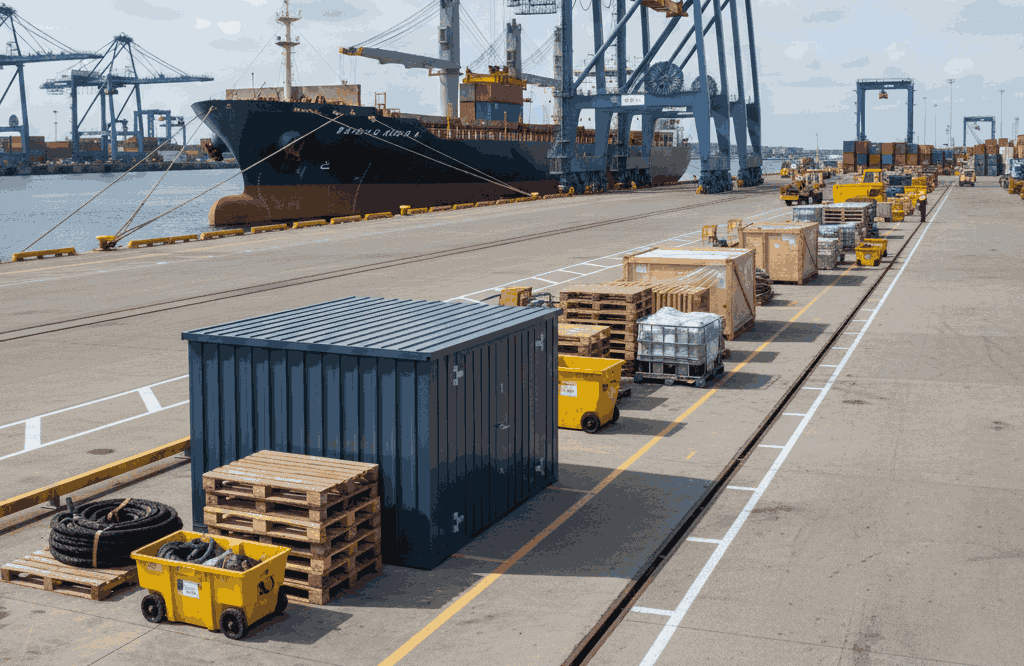
- Best use: near cranes, laydown, or wharf lots for daily rigging and MRO spares—your everyday port equipment storage container.
- Environment: fenced yard at 151 Alloy Drive with container IDs for audit trails.
- Best use: bulk gear, off-season nets/boards, low-turn inventory, event stock.
- Access: planned pickups; easy routing to port gates.
Programs we can launch this quarter
- 7×13 Alloy-Series™ near the lashing station.
- Add-ons: shelving + lock box; reflective labeling by gear type.
- Why: fast grabs for twist-locks, chains, and PPE without crossing half the yard.
- 7×16 Alloy-Series™ on the wharf lot for nets/ropes.
- 8×20 Yard container for off-season storage.
- Why: tidy public-facing areas, secure long-term stock at the yard.
- 7×10 Alloy-Series™ for barricades and signage near passenger areas.
- 8×10 Yard container for back-stock.
- Why: professional look on the waterfront with quick restock.
Every program starts with a simple scope: gear list, placement photo, drop window. We map those to sizes and a placement diagram that clears security in fewer steps.
- Scope call (15 minutes). Share location (berth, yard, wharf), target dates, and inventory types.
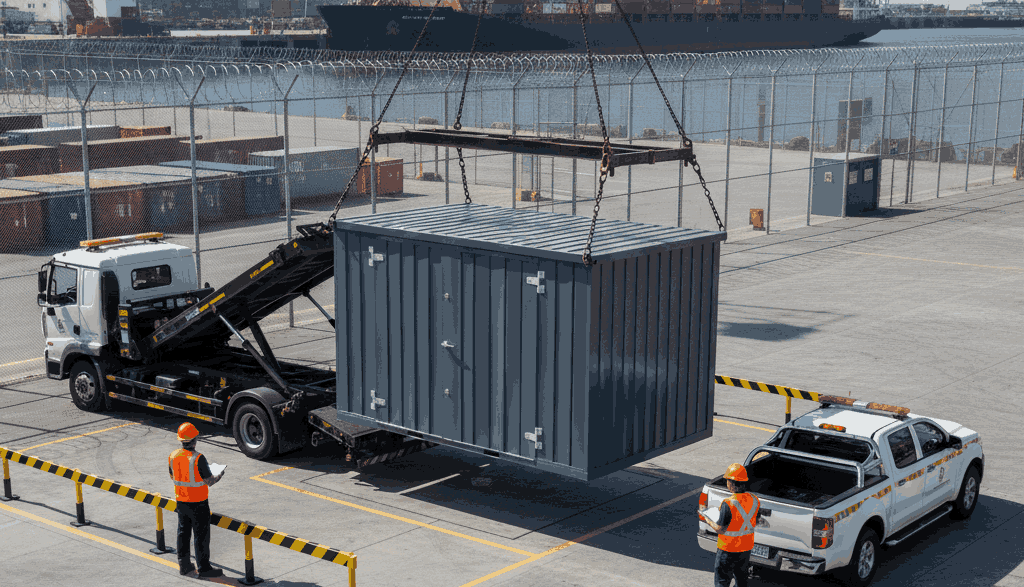
- Security alignment. We confirm ISPS/MTSR rules for the site—badging, escorts, and restricted-zone placement—and produce a siting diagram.
- Scheduling. We book time-certain delivery aligned with vessel/crew windows; overflow units are pre-ID’d at our yard.
- Drop & setup. Driver places and levels the unit; we review lock points, venting, and any moisture control add-ons.
- Wrap-up. Job-coded invoices and container ID logs close the loop for audits.
- Face doors away from prevailing spray when space allows; use ground pads to improve leveling and drainage.
- Elevate rigging using shelves; keep cardboard off steel floors to reduce moisture transfer.
- Label shelves by gear type or berth; keep an aisle plan in 7×13/7×16 units for fast checks.
- Track by container ID in your maintenance log; use consistent disc-locks and record serials.
- Air-out routine: on dry days, open doors briefly after heavy fog or rain to balance humidity.
Frequently asked questions
Yes. We coordinate badging/escorts and provide a placement diagram that aligns with your port security plan.
We aim for time-certain windows in Saint John and fast coordination elsewhere in NB. Overflow can sit at our yard until the berth ETA is firm.
Units are weather-tight. We advise orientation and offer moisture control kits and shelving to keep gear elevated and dry.
Absolutely. Many teams run a small dockside crib for daily gear and keep bulk stock at the yard. Call off when needed.
Reinforced hasps (disc-lock compatible) and tight seals; many clients add lock boxes and interior LED for night work.
Why port teams choose Alloy
- Clarity at the gate: we speak the language of security plans, escorts, and siting—fewer loops to clear placement.
- Atlantic-ready details: vents, seals, and elevation recommendations keep gear dry through Bay of Fundy weather.
- Dual-model flexibility: mix dockside units with yard capacity to match vessel windows and seasonal swings.
- Simple procurement: clear monthly terms, container IDs for audits, and job-coded invoices that match your cost centres.
- Local presence:fast access to our Saint John yard means short notice doesn’t derail schedules.

Request a marine terminal storage container placement plan
Get a siting diagram, security steps, and a firm delivery window aligned to your berth schedule.
Reserve a dockside storage container rental Saint John
Stage daily gear dockside and keep bulk stock at our yard with container IDs for simple audits.
Alloy Storage
151 Alloy Drive, Saint John, NB, E2J 0C2
506-910-5400
info@alloystorage.com
Service area: New Brunswick and Atlantic Canada (Port Saint John, Bay of Fundy communities, and regional wharves).